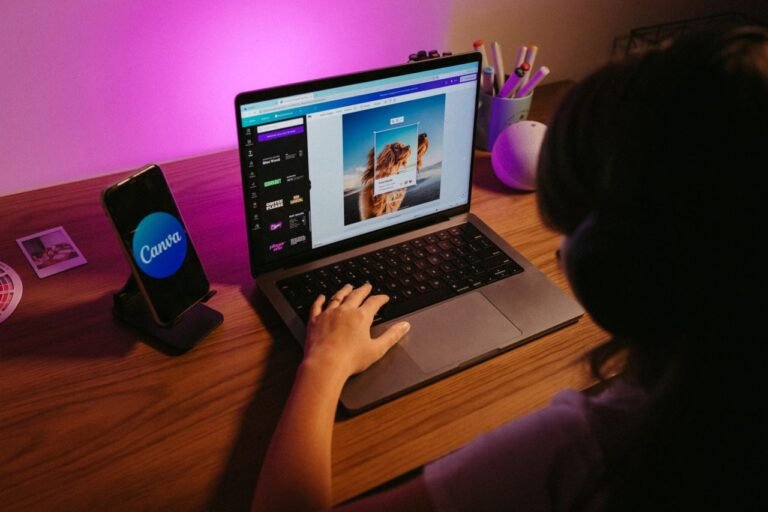
Blogging in Kenya: Start & Earn in 2026 (Guide)

 TIMEBUCKS
Low minimum
payout of just
$3 — start
earning today!
Blogging is one of the few online businesses a Kenyan can start from a phone or laptop for under KES 10,000, yet it’s often misunderstood as a “get rich quick” hustle. It isn’t. Blogging in Kenya can build a real, evergreen income — through Google AdSense, affiliate marketing, sponsored content, and digital products — but only if you treat it like a business, not a lottery ticket.
This guide covers exactly what most Kenyan blogging tutorials leave out: realistic costs, real income ranges, how payments actually reach your M-Pesa or bank account, what KRA now expects from you, and the mistakes that quietly kill most Kenyan blogs before they earn a shilling.
Is Blogging Still Worth It in Kenya in 2026?
Yes — with realistic expectations. Kenya has a large, fast-growing internet audience, low content-marketing costs compared to traditional advertising, and monetization tools (AdSense, M-Pesa-integrated payment gateways, affiliate networks) that didn’t exist a decade ago. Most successful Kenyan bloggers who reach meaningful income started 12–24 months before they saw it, and stayed consistent through slow early months. If you want overnight income, blogging is the wrong choice. If you’re willing to publish consistently for a year or more, it can become a genuine income stream.
Quick takeaway: Blogging in Kenya works as a medium-to-long-term income project, not a quick side hustle.
Read also: How to Make Money Online in Kenya (2026 Guide)
How to Start a Blog in Kenya: Step-by-Step
1. Choose a Niche You Can Sustain
Pick a topic you already understand or are willing to research deeply for months. Niches that consistently perform well with Kenyan and global audiences include personal finance and M-Pesa/savings tips, technology and phone reviews, side hustles and remote work, agribusiness and farming, health, education/exam prep, and travel. Avoid picking a niche purely because it seems profitable — you need to sustain writing about it for a year or more.
2. Register a Domain Name
You can register a .com domain (best for global reach and AdSense approval) or a .co.ke domain (signals local relevance to Kenyan readers). Domain prices in Kenya typically run from about KES 800–2,000 per year for a .com and roughly KES 1,000–2,000 for a .co.ke, depending on the registrar.
3. Buy Web Hosting
This is where your blog’s files actually live. Beginner hosting plans in Kenya generally cost KES 500–2,000 per month or roughly KES 3,500–11,000 per year, depending on the provider and plan.
| Hosting Provider | Best For | Kenyan Payment Support | Notes |
|---|---|---|---|
| Truehost Kenya | Beginners on a tight budget | M-Pesa, card | Local servers, free trial tier available |
| Hostinger | Budget global hosting | Card, some mobile wallets | Reliable, widely recommended internationally |
| Host Pinnacle | Kenya-focused beginners | M-Pesa, card | Local servers for faster load times in Kenya |
| Quincy Creative | Small monthly-budget bloggers | M-Pesa, card | Plans from roughly KES 700/month |
Always confirm current pricing and payment options directly on each provider’s official website before buying, since promotions change frequently.
Beginner tip: Don’t overspend on hosting before you have any content or traffic. Start with the cheapest reliable shared hosting plan and upgrade only when your traffic demands it.
4. Install WordPress
Self-hosted WordPress.org (not the limited free Blogger or WordPress.com) is the standard recommendation for Kenyan bloggers who want full SEO control, custom themes, and the ability to add WooCommerce or M-Pesa payment plugins later. Most Kenyan hosts offer one-click WordPress installation through cPanel or Softaculous — log in, click the WordPress icon, and follow the setup prompts (usually a few minutes).
5. Pick a Theme and Set Up Basic Pages
Choose a fast, mobile-friendly free theme (Astra, Neve, and OceanWP are popular starting points), then create essential pages: About, Contact, Privacy Policy, and Disclaimer. A privacy policy and clear disclosure of affiliate/ad content are required for AdSense approval and build reader trust.
6. Publish Consistent, Helpful Content
Write for a specific Kenyan (or global) search query at a time. Use Google’s autocomplete suggestions, “People also ask” boxes, and free tools like Google Search Console (once your site is live) to find what your target readers are actually searching for. Consistency — even two well-researched posts a week — outperforms sporadic bursts of content.
7. Apply for Google AdSense (Once You Have Content)
Most guidance suggests waiting until you have at least 15–30 quality, original posts, a clean design, and required pages (privacy policy, about, contact) before applying to Google AdSense, since incomplete sites are commonly rejected.
Total realistic startup cost: roughly KES 2,000–10,000 for the first year (domain + basic hosting), making blogging one of the lowest-cost online businesses to start in Kenya.
Takeaway: Starting a blog is inexpensive and technically simple; the real challenge is consistent, useful content over months, not the setup itself.
Blog Monetization in Kenya: How Bloggers Actually Earn
Google AdSense
What it is: Google’s advertising network that pays website owners for displaying ads and generating valid impressions/clicks.
How it works: You apply through your AdSense account, Google reviews your site for policy compliance and content quality, and once approved, ads display automatically on your blog based on your content and audience.
Best for: Bloggers with steady organic traffic (from search, not paid ads) and original content.
Advantages: Passive once set up; works well alongside affiliate links; doesn’t require selling anything directly to readers.
Disadvantages: Requires meaningful traffic to earn well; payments only release once you cross set thresholds; strict content and traffic-quality policies (invalid clicks can get accounts banned).
Payment threshold and process: Google issues payments once your finalized earnings cross a payment threshold, which for most countries — including Kenya — is $100. Below that, earnings simply carry forward to the next month. Kenyan publishers typically receive payment via bank transfer (EFT) once verification (identity, address/PIN, and payment method) is complete; payment methods available depend on your country and are confirmed inside your AdSense account.
Warning: Never click your own ads, use bots, or pay for “click farms” to boost AdSense earnings. This is a policy violation that can permanently ban your AdSense account and forfeit unpaid earnings.
Affiliate Marketing
What it is: Promoting other companies’ products or services (hosting providers, online stores like Jumia, software tools) and earning a commission when readers buy through your unique link.
How it works: Sign up for an affiliate program (e.g., a hosting company’s affiliate program, or a marketplace’s affiliate network), get a tracking link, and place it naturally inside relevant, honest content — for example, a phone review post linking to where readers can buy that phone.
Best for: Bloggers in review-heavy or comparison-heavy niches (tech, finance tools, hosting, online shopping).
Advantages: No need to create your own product; can earn well even with a small, targeted audience if the content ranks for buyer-intent keywords.
Disadvantages: Requires disclosure to readers (an affiliate disclaimer); commissions vary widely by program; some networks have minimum payout thresholds and pay via PayPal, Wise, Payoneer, or bank transfer rather than directly via M-Pesa.
Sponsored Posts and Brand Partnerships
Once a blog reaches a meaningful, engaged readership (often cited around 5,000+ monthly visitors as a rough benchmark), local businesses may pay for sponsored content or banner placements, with typical deal sizes reported anywhere from about KES 6,000 to KES 25,000 depending on niche and audience size. These figures vary significantly and aren’t guaranteed — they depend entirely on your niche, audience engagement, and negotiation.
Selling Digital Products
Ebooks, templates, or mini-courses (for example, a niche-specific guide) can be sold directly from your blog. Platforms like Selar and Payhip let Kenyan creators accept M-Pesa payments directly from buyers, avoiding reliance on international ad networks entirely.
Takeaway: Most sustainable Kenyan blogging income comes from combining two or more of these methods rather than relying on a single source.
How Much Do Kenyan Bloggers Actually Earn?
Earnings vary enormously and are never guaranteed. As a general pattern reported across Kenyan blogging guides, many beginner bloggers start earning somewhere in the KES 5,000–30,000 per month range within 6–12 months of consistent publishing, with full-time incomes exceeding KES 100,000 per month considered achievable — but only for a minority — within 18–24 months, and typically requiring a profitable niche, strong SEO, and multiple monetization streams.
Treat any specific income figure you see online, including in this article, as a general pattern rather than a promise — your results depend on niche competitiveness, consistency, SEO skill, and time invested.
Takeaway: Expect a slow first year; income tends to compound after that if you stay consistent.
Getting Paid: Payment Methods and Withdrawal
- Google AdSense: Pays into a bank account via EFT once you hit the $100 threshold; from there you can withdraw to M-Pesa via your bank’s mobile banking app or by visiting your bank.
- Affiliate networks and international clients: Typically pay via PayPal, Wise, or Payoneer; you then transfer or withdraw from these into your Kenyan bank account or M-Pesa.
- Digital product sales: Platforms like Selar and Payhip can pay Kenyan sellers directly via M-Pesa, avoiding the international-transfer step entirely.
Beginner tip: Set up your bank account and, if needed, a Wise or Payoneer account before you need to receive your first payment — verification can take time, and delays are common for first-time users.
Taxes on Blogging Income in Kenya
This is where many Kenyan bloggers get caught off guard. Under Kenya’s Finance Act 2023 (as clarified in the Finance Act 2024), income from digital content monetization — including advertising income, affiliate marketing, sponsorships, and subscriptions — is subject to a 5% withholding tax for Kenyan residents (20% for non-residents). This tax is typically deducted at source by platforms that pay Kenyan creators (Meta began enforcing this deduction from December 2025, for example), and it’s treated as an advance payment credited against your final annual tax bill.
Practically, as a Kenyan blogger you should:
- Obtain a KRA PIN if you don’t already have one.
- Keep records of all blogging income, regardless of the platform or currency it arrives in.
- File annual income tax returns declaring your blogging income, claiming credit for any tax already withheld at source.
- Consult a licensed tax professional or the KRA directly for guidance specific to your situation, since digital taxation rules in Kenya have changed several times in recent years and may change again.
Takeaway: Blogging income is taxable in Kenya like any other income — plan for it from day one rather than being surprised later.
Common Mistakes Kenyan Bloggers Make
- Quitting before month 6–12. Most blogs earn little to nothing in their first few months; this is normal, not a sign of failure.
- Chasing every monetization method at once instead of building genuine traffic first.
- Ignoring SEO basics — publishing content nobody is searching for.
- Copying other blogs’ content — this violates AdSense policy and copyright law, and can get your site banned from Google entirely.
- Believing “AdSense alternatives” that pay per view without traffic requirements — most of these are unreliable or scams.
- Skipping the required pages (privacy policy, disclaimers) that AdSense and readers expect.
Scam warning: Be very wary of any course, “mentor,” or WhatsApp group promising guaranteed daily blogging income, instant AdSense approval for a fee, or “secret” traffic-buying schemes. Legitimate blogging income always requires real content and real audience-building — there is no shortcut that bypasses this.
Blogging vs. Other Online Income Options in Kenya
| Factor | Blogging | Freelancing (Upwork/Fiverr) | Social Media Content |
|---|---|---|---|
| Startup cost | Low (KES 2,000–10,000/year) | Very low (just a laptop/phone) | Very low |
| Time to first income | 6–12+ months | Can be days to weeks | Weeks to months |
| Income ceiling | High, but slow to build | High, scales with skill/hours | High for top creators |
| Passive-income potential | High once established | Low (trades time for money) | Moderate |
| Skill required | Writing, basic SEO | Specific marketable skill | Content creation, personality |
Takeaway: Blogging trades a longer runway for a more passive, compounding income stream compared to freelancing.
Frequently Asked Questions
Is blogging still profitable in Kenya in 2026? Yes, for bloggers who publish consistently and combine monetization methods like AdSense, affiliate marketing, and digital products — but it typically takes 6 months to 2 years to build meaningful income, and results aren’t guaranteed.
How much does it cost to start a blog in Kenya? Roughly KES 2,000–10,000 for the first year, covering a domain name and basic shared hosting, depending on the provider and plan you choose.
Do I need to register a business to blog in Kenya? Not to simply start a blog, but once you earn income, you’re required to declare it to KRA and pay applicable taxes, regardless of whether you’ve formally registered a business.
Can I use Blogger or WordPress.com for free instead of paying for hosting? Yes, but free platforms limit your domain name, design flexibility, SEO control, and ability to add payment or monetization plugins — most bloggers aiming for real income move to self-hosted WordPress.org fairly quickly.
How long does it take to get approved for Google AdSense in Kenya? There’s no fixed timeline; approval depends on having enough original, policy-compliant content, required pages (privacy policy, about, contact), and a well-functioning site — this can take anywhere from a few weeks to a few months of preparation.
What is the minimum AdSense payout in Kenya? Google’s standard payment threshold is $100 of finalized earnings; below that, your balance carries forward to the following month.
How do I receive AdSense payments in Kenya? Typically via bank transfer (EFT) once you’ve completed identity and payment verification in your AdSense account; you can then withdraw from your bank to M-Pesa.
Is blogging income taxable in Kenya? Yes. Under current Kenyan tax law, income from digital content monetization (including blog advertising, affiliate income, and sponsorships) is subject to a 5% withholding tax for residents, and you must also declare it in your annual KRA tax return.
Which niche is most profitable for blogging in Kenya? No single niche is guaranteed to be most profitable, but personal finance, technology, side hustles, education, and health consistently show strong search demand and advertiser interest in the Kenyan market.
Can I blog and freelance at the same time? Yes — many Kenyan bloggers freelance (writing, virtual assistance, or another skill) to cover expenses while their blog builds traffic and income over its first year or more.
Do I need to know how to code to start a blog? No. Self-hosted WordPress is designed for non-coders, with one-click installs, drag-and-drop page builders, and pre-made themes.
What’s the biggest reason Kenyan blogs fail? Inconsistency — most bloggers stop publishing during the slow early months, before search engines and audiences have had time to discover and trust the site.
Final Takeaways
Blogging in Kenya remains one of the most affordable ways to build a genuine online income, but it rewards patience over speed. Start with a niche you can write about for a year or more, keep your setup costs low, publish consistently, and layer in monetization — AdSense, affiliate marketing, sponsorships, and digital products — as your traffic grows. Keep clean income records from day one so KRA compliance never becomes a surprise.
Next step: Pick your niche today, register your domain, and commit to publishing your first ten posts before evaluating whether blogging is working for you — most Kenyan bloggers who quit do so long before giving their content enough time to be found.
Read also:
- Data Entry Jobs in Kenya (2026): Legit Sites & Pay
- Freelance Jobs in Kenya: The 2026 Complete Guide
- Apps That Pay Real Money in Kenya (2026 Guide)
- Survey Sites That Pay in Kenya: The Honest 2026 List
TIMEBUCKS
Low minimum
payout of just
$3 — start
earning today!